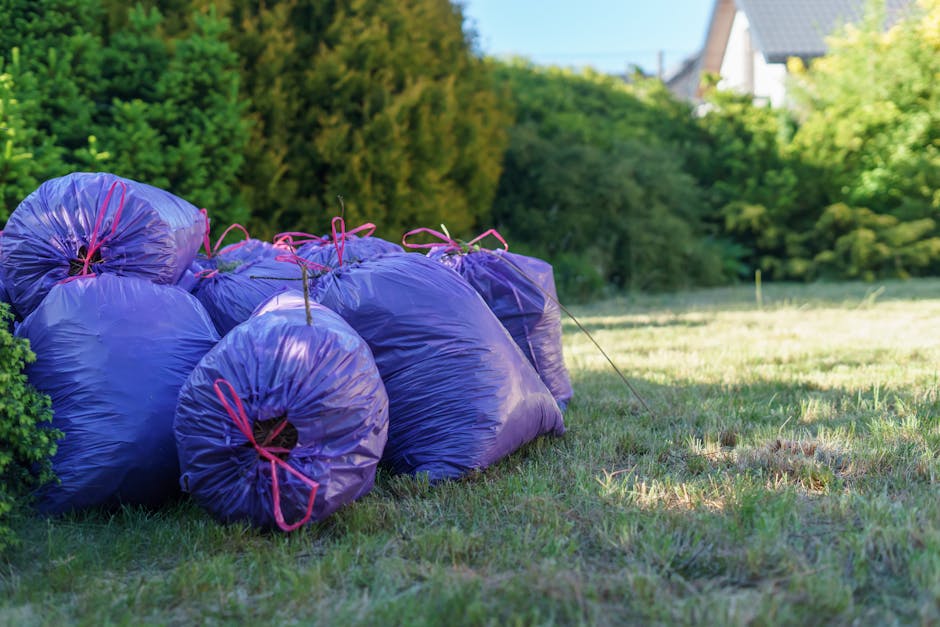
What to know about Enfield Council garden waste rules for gardeners
If you garden in Enfield, the waste bin at the end of a tidy-up can be more confusing than the pruning itself. One week it is a few hedge trimmings and some leaves; the next it is heavy soil, thorny cuttings, old turf, and a suspiciously large pile of ivy. Knowing what to know about Enfield Council garden waste rules for gardeners helps you avoid missed collections, reduce contamination, and keep your work moving without those awkward last-minute bin-lid negotiations. It also saves time. Truth be told, garden waste is one of those jobs that looks simple until you are standing beside three piles and wondering what can actually go out for collection.
This guide breaks the subject down in plain English: what garden waste usually means, how collection rules tend to work, what gardeners should do differently from homeowners, and where the common traps are. Along the way, you will find practical steps, a comparison table, a checklist, and a few realistic examples from everyday garden maintenance. If you are planning regular upkeep, you may also find our guides to garden maintenance and transforming organic waste into fertile soil useful when shaping a cleaner, lower-waste routine.
Table of Contents
- Why these garden waste rules matter
- How the system works in practice
- Key benefits and practical advantages
- Who needs this and when it makes sense
- Step-by-step guidance for gardeners
- Expert tips for better results
- Common mistakes to avoid
- Tools, resources and recommendations
- Law, compliance, standards and best practice
- Options, methods and comparison table
- Case study or real-world example
- Practical checklist
- Conclusion
- Frequently asked questions
Why What to know about Enfield Council garden waste rules for gardeners Matters
Gardeners create waste differently from casual household gardeners. A quick mow, a light trim, and a few dead-headed flowers do not usually cause trouble. But once you start handling shrubs, hedge cuttings, roots, brash, weeds, soil, and bulky cuttings, you are dealing with waste that needs sorting properly. That is where the rules matter.
For one thing, councils generally want green waste to stay clean. If you mix it with rubble, compost bags with plastic liners, kitchen waste, or general rubbish, the whole load becomes harder to process. That creates delays, extra costs, or refusals. For another, gardeners often work to a schedule. A missed bin collection or a rejected load can throw off a full day's plan, especially if you are managing several gardens in one neighbourhood.
There is also a client side to this. Homeowners tend to judge professionalism by small things: bags left neatly, paths swept, waste removed, compost stacked sensibly. If your disposal habits are sloppy, the garden can look unfinished even when the planting is perfect. That slightly damp, crushed-leaf smell after a tidy job is fine; a pile of mixed waste by the gate is not.
Most importantly, following the rules keeps you on the right side of local expectations. Councils across London commonly separate garden waste from general refuse, but the exact collection system, accepted materials, and booking method can vary. So the smart move is to work with the local rule set rather than assume all green waste is treated the same. It is a small admin job that saves a surprising amount of hassle later.
How What to know about Enfield Council garden waste rules for gardeners Works
While the exact service details can change, the general process is usually straightforward. Enfield residents with gardens often need to place accepted garden waste in the correct container, on the correct day, and in the correct condition. For gardeners working professionally, the practical challenge is not just the collection itself but how the waste is prepared before it reaches the kerb.
Here is the typical logic behind most council garden waste systems:
- Only accepted organic material goes in. Think leaves, grass cuttings, small twigs, hedge trimmings, plants, and similar green material.
- Contamination is a problem. Soil, stones, plastic ties, pots, food waste, treated timber, and general rubbish can cause rejection.
- Presentation matters. Loose waste, approved sacks, or designated bins are usually easier to collect than overfilled bags or mixed piles.
- Timing matters. Collections often run on a set schedule, and putting waste out too early can be a nuisance as well as an eyesore.
Gardeners should think in two stages: first, separate the waste on site; second, decide whether it is suitable for council collection, on-site composting, or a specialist removal service. If you are working on a larger job, trimming hedges or removing dense growth, the sorting stage is often the difference between a smooth finish and a messy one. Our page on hedge trimming in Edmonton and the article on artistic forms in hedge trimming both reflect how quickly hedge waste can build up after a tidy reshaping.
A useful rule of thumb: if it came from a plant and is clean, dry enough, and free from contamination, it is more likely to be accepted. If it is heavy, inert, coated, or mixed with non-plant material, pause and check before you bag it. That little pause is worth it.
Key Benefits and Practical Advantages
Understanding the rules is not just about avoiding problems. It can make garden work easier and more cost-effective too. A well-managed waste routine brings a few very practical advantages.
- Less waste on site. You keep the garden looking clean and reduce clutter after each visit.
- Fewer collection issues. Correct sorting means fewer rejected loads and fewer awkward follow-up calls.
- Better composting opportunities. Clean green waste can often be composted, which is especially handy for routine maintenance.
- More efficient jobs. When you know what is going where, the whole workflow becomes calmer and faster.
- Improved client confidence. Homeowners notice neatness. They just do.
There is also a sustainability angle here. Garden waste is one of the easiest materials to reuse well. Grass clippings, soft trimmings, and leaf litter can support composting, mulching, and soil improvement when handled properly. If you are interested in making the most of those materials, our article on transforming organic waste into fertile soil offers a practical way to think about the circular side of gardening.
And from a workload point of view, clean disposal habits cut down on rework. You do not want to spend half an hour repacking sacks because a bin is already full or because a job generated more material than expected. A smart waste plan keeps the day moving. Simple, but very real.
Who This Is For and When It Makes Sense
This topic matters for more people than you might think. It is not just for council staff or full-time landscapers. In practice, several groups need to understand Enfield garden waste rules clearly.
Professional gardeners and maintenance teams
If you work across several gardens, you need a repeatable system. The same principles apply whether you are clearing beds, pruning shrubs, or cutting back seasonal growth. Inconsistent disposal can become a recurring headache, particularly when waste volumes shift with the season. Autumn leaves are one thing; a late-summer clear-out after a long growth spell is another altogether.
Homeowners doing their own garden work
Even a small garden can generate a surprising amount of waste. A weekend hedge tidy or bed overhaul can leave you with bags that fill quickly. If you are not sure what the council will accept, checking first prevents waste from sitting around for days while you make a plan.
People with larger or more established gardens
Older gardens, mature hedges, and established borders often produce heavier waste. That includes woody material, cut-back climbers, and piles of leaves after winter. If your garden has a lot of structure, you may also find our guides to hedge varieties for a rapid privacy screen and evergreen climbers for shade relevant because the maintenance cycle often creates disposal needs of its own.
Gardeners improving neglected spaces
When a garden has been left alone for months, the waste can be messy and mixed: weeds, overgrown climbers, old mulch, and the odd broken object hidden in the undergrowth. In those cases, sorting is not optional. It is the difference between smooth removal and a rejected load. Our article on kickstarting your neglected garden makeover journey fits well here.
Step-by-Step Guidance
If you want to handle garden waste cleanly and with fewer surprises, follow a simple sequence. It is not glamorous, but it works.
- Separate waste at the point of cutting. Put green material in one place, woody cuttings in another, and non-organic items somewhere else entirely.
- Remove contamination immediately. Shake off soil, strip out cable ties, and pull plastic out of piles before it spreads.
- Check size and weight. Long branches, thick hedge sections, or damp piles may need chopping down before they fit a bin or bag.
- Decide the disposal route. Use council garden waste collection if the material fits the accepted category; otherwise consider composting or another legal removal method.
- Store waste neatly until collection day. Keep sacks closed and placed sensibly so they do not spill into footpaths or driveways.
- Inspect the finished area. Sweep up fine clippings, feathers of ivy, and the little twig fragments that make a garden look half-finished.
For routine jobs, this process becomes second nature. For bigger clearances, it helps to break the work into sections: front garden, back garden, borders, hedges, and final sweep-up. You will notice that a structured approach makes the job feel smaller. And yes, the pile still looks huge in the middle. It always does.
If your work includes heavy pruning or the removal of woody growth, it can be useful to think in terms of waste streams. Soft green waste, woody waste, and mixed waste are not the same thing, and treating them the same is where people get into trouble.
Expert Tips for Better Results
There are a few habits that make a real difference, especially if you are regularly dealing with council garden waste rules.
- Keep a "clean green" standard. Anything compostable should stay free from plastic, tape, stones, and general rubbish.
- Cut bulky material down early. Shorter lengths are easier to bag, stack, and move.
- Work dry where possible. Wet grass and soggy leaves are heavier, messier, and more likely to burst bags. A familiar British problem, that.
- Use the right storage method. Sturdy sacks, bins, or loose stacks all have different advantages. Pick one that suits your workload.
- Think seasonally. Leaf fall, spring growth flushes, and autumn hedge work all create predictable peaks. Plan for them instead of reacting.
A surprisingly useful habit is to keep a small "waste check" at the end of each garden visit. It only takes a minute. Ask: is anything mixed in, does anything need cutting smaller, and is this waste actually suitable for the chosen collection route? That tiny pause catches most problems before they turn into complaints.
For broader garden planning, a low-maintenance layout can also reduce waste over time. Some gardens are simply more efficient to maintain than others. If that matters to you, our article on budget-friendly, low-maintenance garden ideas is worth a look.
Common Mistakes to Avoid
Most garden waste problems are not dramatic. They are small, repeated errors that pile up. Here are the big ones to avoid.
- Mixing green waste with general rubbish. This is the fastest route to rejection.
- Including soil and hardcore. Soil is heavy and often not accepted in standard garden waste collections.
- Overfilling bags. An overpacked sack is awkward to handle and may split before collection.
- Leaving waste out too early. It can create clutter, attract complaints, and make a tidy garden look untidy again.
- Ignoring bulky woody material. Thick branches and hedge cuttings may need a different approach from grass and leaves.
- Assuming all councils treat waste the same. They do not.
There is also a less obvious mistake: forgetting the final sweep. Fine clippings, tiny leaves, and hedge dust can stick to paving and decking, especially after a damp morning cut. That residue is what makes a job feel unfinished. If you are cleaning hard surfaces too, our patio cleaning page may be useful when a garden refresh includes the surrounding areas as well.
One more thing. If a pile looks "mostly okay," do not rely on mostly. Waste sorting needs certainty, not optimism. To be fair, optimism is lovely elsewhere.
Tools, Resources and Recommendations
You do not need fancy equipment to manage garden waste well, but a few simple tools make life much easier.
- Heavy-duty garden sacks for leaves, grass, and soft cuttings
- Secateurs and loppers for reducing bulky waste
- Tarpaulins to gather and move waste cleanly
- Wheelbarrow or garden cart for moving loads without tearing bags
- Gloves and basic protective gear for handling thorny or damp material
- Compost bin or heap area for clean organic waste you want to reuse
If you already work with a broader maintenance routine, it helps to pair waste management with the rest of the job. For example, after hedge work, a standard cut-back process and a tidy boundary finish reduce the amount of stray material left behind. That fits naturally with services like gardening services, lawn care, and lawn mowing Edmonton when the aim is a clean, regular upkeep schedule.
For winter jobs, waste handling becomes trickier because cold, wet organic matter is heavier and more awkward. If you are preparing for that season, our guide to winterproofing your garden and the article on protecting gardens from extreme weather both connect nicely with how much debris a winter garden can generate.
Law, Compliance, Standards, or Best Practice
Garden waste handling sits in a space where common sense, local rules, and environmental responsibility overlap. The exact Enfield Council arrangements should always be checked against the current local guidance, because collection schedules and accepted materials can change. That is the safe way to work.
From a compliance perspective, the main point is simple: do not put out waste in a way that breaches the council's collection conditions or creates contamination. In practical terms, that means separating organic waste from non-organic items, following container rules, and not treating the green bin as a catch-all.
For gardeners, best practice usually includes:
- sorting waste at source
- keeping bins and sacks within the expected size and weight limits
- avoiding prohibited materials
- storing waste so it does not cause a nuisance
- using safe lifting and handling methods for heavier loads
If you run a business or work on multiple properties, good records also help. A basic note of what was removed, what was composted, and what went for collection can save confusion later. It is not bureaucracy for the sake of it. It is a simple way to show that your garden work has been handled properly.
If waste removal ever becomes part of a larger project involving trees, overgrowth, or boundary works, it may sit alongside tasks such as tree surgery, fencing, or broader landscaping. In those jobs, compliance and site tidiness matter just as much as the final finish.
Options, Methods, or Comparison Table
Gardeners usually have three realistic ways to deal with garden waste: council collection, on-site composting, or professional removal as part of a bigger job. Each has strengths and trade-offs.
| Option | Best for | Advantages | Limitations |
|---|---|---|---|
| Council garden waste collection | Clean green waste from routine maintenance | Convenient, usually cost-effective, suitable for regular small-to-medium volumes | Needs sorting, may have size or contamination limits, dependent on schedule |
| On-site composting | Leaves, soft cuttings, and reusable organic matter | Reduces waste, supports soil health, good long-term value | Not suitable for all material, needs space and patience, not instant |
| Professional removal | Large clearances, mixed material, bulky jobs | Efficient for bigger projects, saves time, handles awkward loads | Usually more expensive, needs planning and clear scope |
For many gardeners, the best answer is a blend. Soft waste goes to compost or council collection, woody waste is cut down and bundled, and mixed or bulky material is handled separately. That flexible approach is often the easiest way to stay efficient without overcomplicating things.
If you are weighing up a bigger maintenance plan, you may also want to look at pricing and quotes alongside about us so you can judge how a service provider structures work and waste handling together.
Case Study or Real-World Example
Picture a typical late-spring job in Enfield. A garden has a medium hedge, a patchy lawn, two overgrown borders, and a few areas where weeds have taken hold. Nothing dramatic, but enough to fill several sacks. The owner wants the space ready for weekend use, and the gardener needs it cleared without leaving a mess by the gate.
The first pass is straightforward: hedge trimmings and grass go into separate piles. The gardener notices that some of the hedge clippings are long enough to snag, so they are cut down before bagging. The border weeds are pulled, but the roots are shaken clean before disposal. Soil-heavy clumps are left out of the green waste pile because they would only cause trouble later.
After that comes the tidy-up. The paths are swept, the patio edge is checked, and the leftover leaf bits are collected with a blower and brush. By the end, the waste is compact, the garden looks finished, and there is no doubt about what can be collected or composted. That final distinction is small, but important.
In practice, that kind of job is much smoother when the gardener has a repeatable waste routine and decent tools. It also pairs nicely with thoughtful planting choices. Ground covers can reduce future weed pressure, while well-chosen shrubs and climbers can make routine cutting more predictable. If that interests you, our guide to ground cover plants for UK gardens may be a helpful next read.
Practical Checklist
Use this quick checklist before you put garden waste out or decide how to deal with it.
- Have I separated green waste from general rubbish?
- Is there any plastic, wire, pot material, or tape mixed in?
- Have I removed heavy soil, rubble, or stones?
- Are branches and hedge cuttings cut down to a manageable size?
- Is the waste dry enough and packed safely?
- Do I know whether this material is suitable for council collection?
- Have I checked the current local guidance if I am unsure?
- Is the waste stored neatly and safely until collection day?
- Have I swept up fine debris around the work area?
- If the job is larger than expected, do I need a different disposal method?
If you can answer yes to most of those, you are probably in good shape. If not, pause and sort it out before the bags go out. Saves a lot of bother.
Conclusion
What to know about Enfield Council garden waste rules for gardeners comes down to this: sort the waste properly, understand what the local collection system will accept, and build disposal into your workflow rather than treating it as an afterthought. That one habit makes garden jobs cleaner, quicker, and less stressful.
Whether you are trimming hedges, clearing a neglected border, or maintaining a client's lawn week after week, the same principle applies. Clean waste handling protects your time, supports good horticultural practice, and keeps the garden looking professional right to the end. A tidy finish matters. It always does.
If you want help planning regular upkeep, managing larger clearances, or deciding how waste should be handled within a broader garden project, it is worth speaking with a local team that understands the day-to-day reality of garden maintenance in London.
Get a free quote today and see how much you can save.
Frequently Asked Questions
What counts as garden waste under Enfield Council rules?
In general, garden waste means organic material from routine gardening, such as grass cuttings, leaves, weeds, small twigs, hedge trimmings, and plant clippings. Mixed rubbish, rubble, plastic, and treated wood are usually not part of that category.
Can I put soil in my garden waste bin?
Usually not in standard green waste collections, or at least not in large amounts. Soil is heavy, can contaminate loads, and may be handled differently from clean plant material. It is always worth checking the current local guidance before you add it.
What should gardeners do with hedge cuttings?
Hedge cuttings are normally best reduced to manageable lengths and kept free from plastic ties or other contamination. Small, clean cuttings may be suitable for collection or composting, depending on the council's current rules.
Are weeds allowed in garden waste collections?
Usually yes, if they are clean and properly separated from general rubbish. If the weeds are full of soil or mixed with non-organic debris, they may create problems. Root balls can be the awkward part, as you probably know already.
Can I leave garden waste out before collection day?
It is usually better not to. Leaving it out too early can create mess, obstruct access, or lead to complaints. Put it out according to the collection timing or storage method the council expects.
What happens if my waste is contaminated?
Contaminated loads may be refused or left behind. That is why a quick check for plastic, stones, general rubbish, and other non-garden items is so useful. One small mistake can affect the whole pile.
Is composting better than council collection?
It depends on the material and on your space. Composting is excellent for clean green waste, especially leaves and soft cuttings. Council collection can be more practical for larger volumes or when you do not have room for a compost setup.
Do professional gardeners need to follow the same rules?
Yes, in practical terms they do. Professionals also have to think about sorting, storage, and safe handling because they often generate more waste and work across multiple sites. A consistent system matters more when the volume rises.
How can I reduce the amount of garden waste I create?
Choose low-maintenance planting, mulch regularly, use clippings wisely, and prune with purpose rather than reacting late. You can also reduce waste over time by selecting the right plants for the space and conditions.
What if I have more garden waste than the council bin can hold?
That is common after seasonal clearances. In that case, reduce the volume by cutting material down, composting suitable waste, or arranging a different removal method for the excess. Trying to force everything into one container usually backfires.
Should I separate soft green waste from woody waste?
Yes, that is a sensible habit. Soft waste is easier to compost and often easier to collect, while woody material may need chopping, bundling, or another disposal route. Separating it early saves time later.
Where do I get help if I am unsure about the rules?
If you are not confident about what is currently allowed, check the latest council guidance first and then speak with a local gardening professional if your job is more complex. A quick conversation can prevent a long mess, which is never a bad trade.
And in the middle of all this sorting and sweeping, remember the point of the work: a garden should feel calm when you step back from it, not like a logistics puzzle. That is the lovely part, really.