 020 3744 3778
9 Essential Gardening Tips Every Beginner Should Know
Posted on 16/09/2025
9 Essential Gardening Tips Every Beginner Should Know
Starting a garden is an incredibly rewarding experience, allowing you to connect with nature while beautifying your surroundings and growing your own food or flowers. However, if you're new to the world of gardening, it can seem overwhelming at first. That's why we've put together nine essential gardening tips every beginner should know before picking up a trowel. Whether you have a sprawling backyard or just a few pots on a balcony, these gardening basics will set you on the path to success.
1. Choose the Right Location for Your Garden
Selecting the ideal spot is the foundation of a thriving garden. Most plants, especially vegetables and flowers, require at least six hours of direct sunlight each day. Watch your yard throughout the day and note where the sun hits the longest.
- Observe your space for sun and shade patterns.
- Avoid areas next to large trees or buildings that may cast long shadows.
- Consider accessibility--make sure your garden is easy to reach for watering and maintenance.
Pro tip: Container gardens are a great solution for limited space, and they allow you to move your plants into the best spots for sunlight.

2. Understand and Improve Your Soil
Healthy soil is the foundation of every successful garden. Soil quality directly affects the growth and health of your plants. Beginners often overlook this step, but it's crucial for long-term success.
- Test your soil. You can buy an affordable soil test kit from your local garden center. It will help you determine pH, nutrient levels, and soil type.
- Add organic matter like compost or aged manure to enrich your soil.
- If you have heavy clay or very sandy soil, amend it with organic materials to improve texture, drainage, and fertility.
Soil health is key to a beautiful, productive garden--don't skip this important gardening tip!
3. Pick the Right Plants for Your Climate and Season
Not all plants thrive in every region. Select varieties that suit your growing zone and the current season. Trying to grow tropical plants in a cold climate or cool-season vegetables in the height of summer can result in disappointment.
- Refer to the USDA Plant Hardiness Zone Map for your area. This will guide your choices for perennial plants, fruits, and vegetables.
- Check seed packets or plant tags for details about planting times and climate preferences.
- Start with easy-to-grow plants like lettuce, radishes, marigolds, or sunflowers if you're a gardening novice.
Consider Native Plants
Choosing native plants makes gardening easier, as they're adapted to your local weather and soil conditions. They often require less water, fertilizer, and maintenance.
4. Water Wisely and Efficiently
Watering may seem simple, but it's often where new gardeners go wrong. Overwatering or underwatering can stunt growth and make plants vulnerable to disease.
- Water early in the morning to minimize evaporation and let leaves dry before nightfall, preventing fungal diseases.
- Use a soaker hose or drip irrigation for steady, deep watering right at the roots.
- Small plants prefer gentle, frequent watering, while established plants need less, but deeper soakings.
Remember: Most garden plants prefer soil that is consistently moist but not soggy.
5. Start Small and Expand Gradually
Many eager beginners bite off more than they can chew. Start with a small garden bed or a few containers and focus on learning. As your confidence and skills grow, expand your gardening ambitions.
- A 4'x4' raised bed or 3-5 pots is manageable for most first-time gardeners.
- This approach helps prevent frustration, reduces labor, and gives you a chance to experiment and gain practical gardening know-how.
6. Feed Your Plants--But Don't Overdo It
Nutrient-rich soil boosts plant health, encouraging lush growth and abundant blooms or produce. Use fertilizer judiciously to supplement your soil, but avoid overfertilizing, which can do more harm than good.
- Choose an organic, slow-release fertilizer for most plants.
- Follow package directions carefully--more isn't always better.
- Monitor your plants for signs of deficiency, such as yellowing leaves or stunted growth.
- Compost tea or worm castings are gentle, effective organic options for ongoing nutrition.
Balanced feeding leads to stronger plants and healthier harvests.
7. Keep Weeds Under Control
Weeds compete with your garden for nutrients, water, and light. Early intervention and good mulching practices are vital to prevent them from taking over.
- Pull weeds by hand regularly, especially when they're small.
- Use a mulch layer (compost, straw, shredded bark) 2-3 inches deep to block sunlight from reaching weed seeds.
- Don't let weeds go to seed--remove them before they flower.
Mulching not only deters weeds, but also conserves moisture and improves your soil over time--a win-win for all beginner gardeners!
8. Learn to Recognize and Manage Pests Naturally
All gardens attract bugs, but not all insects are harmful. Beneficial insects like ladybugs and bees are crucial for pollination and pest control. Learning to identify the difference is one of the most valuable gardening skills for beginners.
- Inspect your plants regularly for signs of chewing, holes, discoloration, or sticky residue.
- Wash off aphids and small pests with a gentle spray of water.
- Attract helpful wildlife--plant flowers that support pollinators and predatory insects.
- Use organic or homemade remedies (like neem oil or insecticidal soap) as needed, but avoid harsh chemicals that harm good bugs.
Prevent Instead of Cure
Healthy plants are naturally more resistant to pests. By following proper gardening techniques, you can minimize outbreaks and enjoy a thriving, chemical-free garden.
9. Keep a Gardening Journal and Keep Learning
Your experiences become invaluable over time. Keeping a gardening journal helps new and seasoned gardeners alike to track progress, remember what works, and plan improvements.
- Note planting dates, plant varieties, fertilizing and watering schedules, and harvest times.
- Record pest sightings, weather trends, and any issues or successes.
- Take photos to visualize progress and changes.
Never stop learning! The best gardeners are always seeking new information--read books, watch tutorials, and connect with local gardening groups to keep growing your knowledge.
Putting It All Together: Your First Year in the Garden
Starting a garden isn't about reaching perfection on day one. Even seasoned experts learn something new every year. By following these nine vital gardening tips, you'll avoid common mistakes, build good habits, and create a flourishing, beautiful outdoor (or indoor) space. Remember, gardening is a journey as much as a destination.
Bonus: Essential Tools for Beginner Gardeners
- Hand trowel - Planting small plants, digging holes, weeding.
- Garden gloves - Protect your hands from thorns, dirt, and blisters.
- Watering can or hose - For consistent, gentle watering.
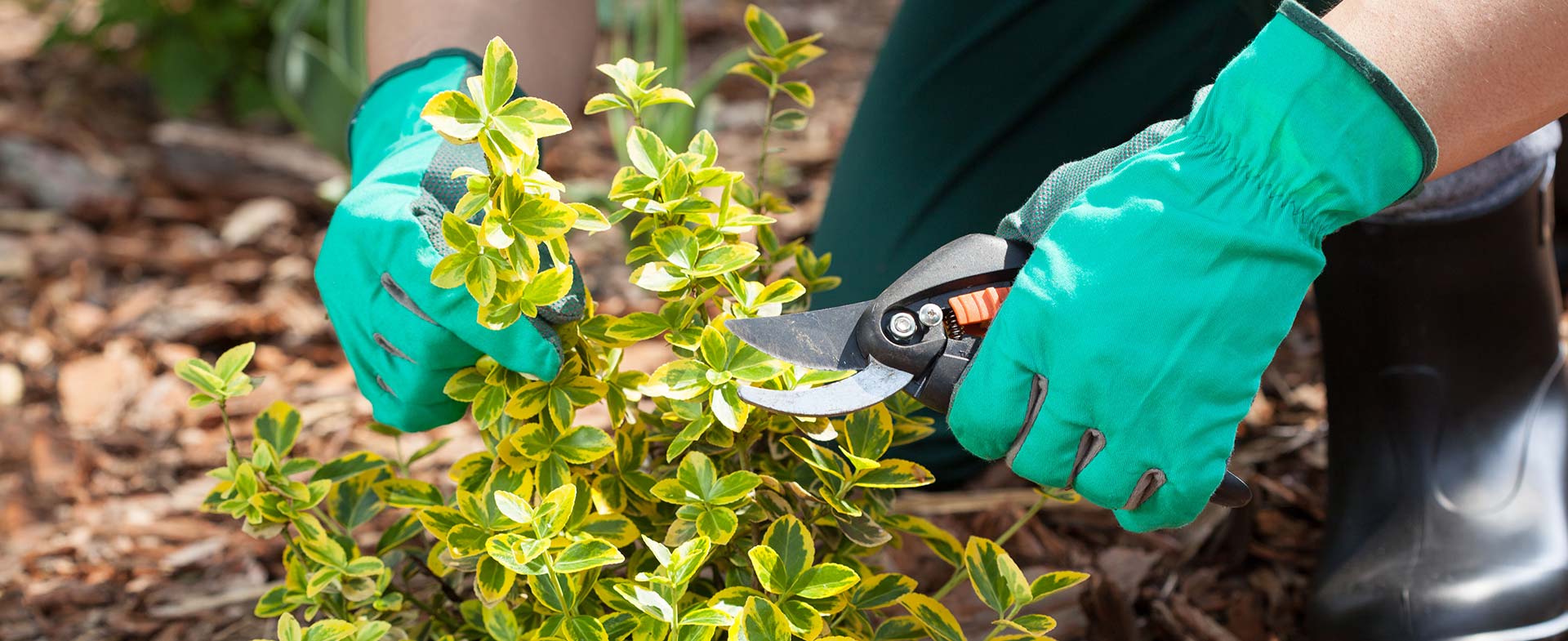
- Pruners or garden scissors - Trimming plants and harvesting.
- Spade or digging fork - Preparing soil and turning compost.
- Mulch - Keeps weeds down and retains moisture.
Common Questions About Starting a Garden
What are the easiest plants for beginners?
Some favorite beginner-friendly plants include lettuce, bush beans, radishes, carrots, sunflowers, marigolds, and zinnias. These plants germinate quickly and typically thrive with minimal care.
How often should I water my garden?
Most gardens need about an inch of water per week, but this varies depending on your climate, soil, and plant type. Always check the soil moisture before watering; if the top inch feels dry, it's time to water.
What if I only have a balcony or small patio?
No problem! Container gardening is perfect for limited spaces. Use pots, window boxes, or vertical planters to grow herbs, greens, strawberries, tomatoes, or flowers.
Is organic gardening harder for beginners?
Not at all. Organic gardening emphasizes healthy soil, good plant choices, and natural pest management, which are all covered in the tips above. With a bit of patience, anyone can maintain an organic garden!
Conclusion: Enjoy the Journey of Gardening
Gardening is both an art and a science, and no two gardens are exactly alike. As you set forth on your gardening adventure, remember to be patient and curious--mistakes are simply lessons in disguise! These gardening essentials for beginners will help you make informed choices and enjoy a lush, productive space in your very first season.
Happy gardening!
Latest Posts
Master the Art of Cultivating Your Own Herb Oasis
9 Essential Gardening Tips Every Beginner Should Know
Unlocking the Potential of Gardening to Fight Climate Change