 020 3744 3778
Effective Strategies for Managing Weed Growth
Posted on 08/09/2025
Effective Strategies for Managing Weed Growth
Weeds can quickly turn a thriving garden or lush lawn into an unruly mess. These unwanted plants compete with your desired crops or turfgrass for resources like water, nutrients, and sunlight, often resulting in reduced yields and a less attractive landscape. Developing effective strategies for managing weed growth is crucial to maintaining the health and beauty of your outdoor spaces. This comprehensive guide covers a range of methods for weed prevention, identification, and removal, from organic solutions to mechanical and chemical approaches.
Understanding Weeds: What Are They and Why Are They a Problem?
Weeds are simply plants growing where they are not wanted. While some weeds are harmless or even beneficial in the right settings, others can be highly invasive, outcompeting other plants and creating a challenging environment for gardeners, homeowners, and farmers. Managing weed growth isn't just about aesthetics--it's essential for plant health, crop productivity, and even environmental balance.
- Annual weeds: Complete their life cycle in a single year (e.g., crabgrass, pigweed).
- Perennial weeds: Return year after year from roots or rhizomes (e.g., dandelion, bindweed).
- Biennial weeds: Take two years to complete their cycle (e.g., burdock, wild carrot).
Understanding the types of weeds and their growth cycles is a first step toward effective management.

General Principles for Managing Weed Growth
Successful weed control is built on a few core principles:
- Prevention: Stop weeds from taking hold in the first place.
- Early Detection: Catch and manage weed problems before they spread.
- Integrated Approaches: Combine multiple strategies for best results.
- Persistence: Weed management is ongoing, not a one-time fix.
Preventive Strategies for Weed Control
1. Maintain Healthy Soil and Dense Plantings
A dense, healthy canopy of desirable plants is your first line of defense. Vigorous lawns, ground covers, or crop rows help shade the soil, limiting light for weed seedlings. Enriching soil with compost and organic matter supports robust plant growth and can make it more difficult for weeds to establish.
- Overseed thin lawns to minimize open soil where weeds can germinate.
- Choose resilient ground covers for garden beds and borders.
- Rotate crops in vegetable gardens to disrupt weed cycles.
2. Use Mulch for Weed Suppression
Mulching with organic materials like wood chips, straw, or shredded leaves is one of the most effective non-chemical methods for managing weed growth in garden beds and around trees.
- Aim for a depth of 2-4 inches to block light and prevent weed seeds from sprouting.
- Organic mulches also improve soil moisture and fertility as they break down.
- Consider inorganic mulches, such as landscape fabric or gravel, for permanent pathways or xeriscapes.
3. Install Physical Barriers
Landscape fabrics, plastic sheeting, or cardboard can serve as weed barriers under mulch or gravel. While not entirely foolproof, these block sunlight and impede root growth, reducing the emergence of new weeds.
Effective Techniques for Removing Weeds
Despite your best preventive efforts, weeds will find their way into lawns and gardens. Employing systematic weed removal strategies can keep populations manageable.
1. Manual Weeding
- Hand-pulling is highly effective when the soil is moist and weeds are young.
- Use hand tools like hoes, weed pullers, or a dandelion digger for deep-rooted weeds.
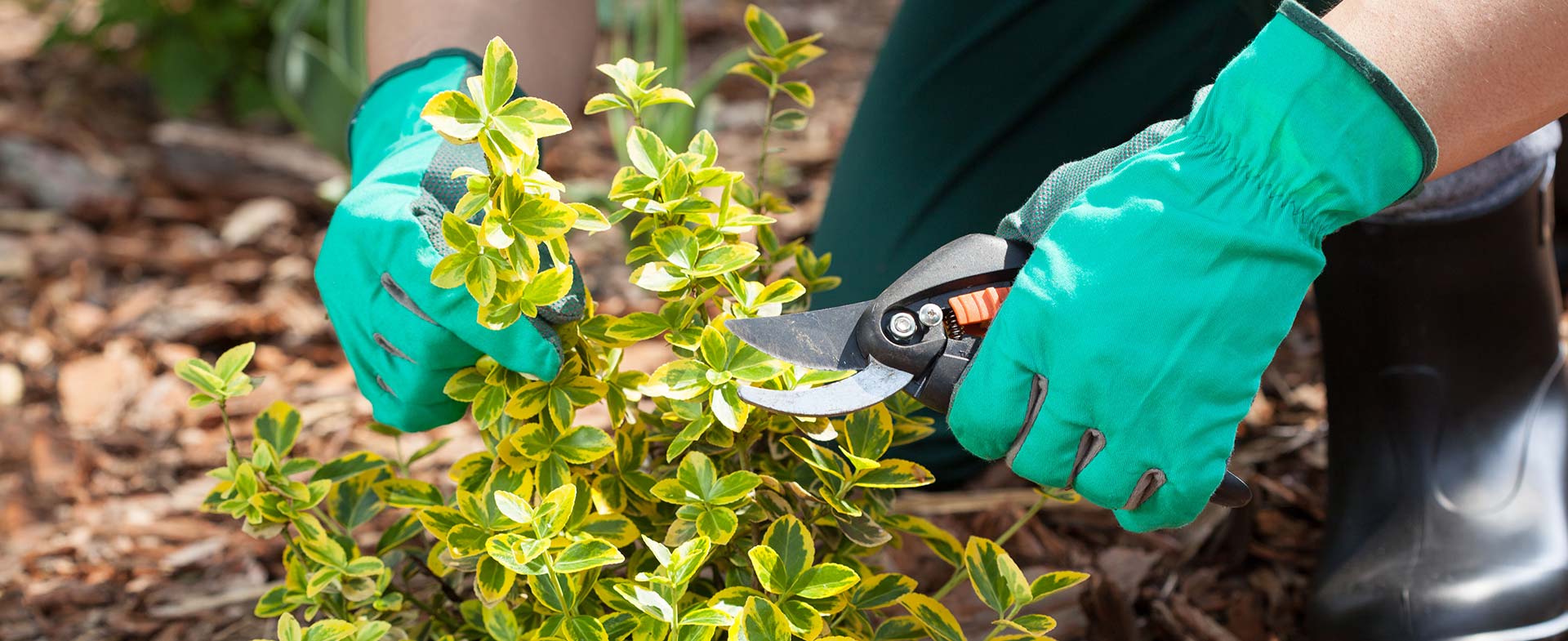
- Wear gloves to protect your hands, and be sure to remove the entire root to prevent regrowth.
2. Mechanical Methods
- Hoeing: Regular shallow hoeing cuts off seedlings at the soil surface before they can establish.
- Cultivation: Tilling can disrupt weed life cycles, especially in annual vegetable beds, but over-cultivation may harm soil health.
- Consider flame weeders for driveways and patios--these kill weeds with heat, not chemicals.
Organic and Eco-Friendly Weed Management
Many people seek natural weed control strategies to minimize chemical use in their gardens and lawns. Here are some environmentally friendly options:
- Apply vinegar or boiling water directly on young weeds for quick kill, though this is non-selective and may scorch desired plants.
- Introduce cover crops (also known as green manure) between planting seasons to smother weeds and enhance soil health.
- Encourage beneficial insects or birds that feed on weed seeds.
Chemical Weed Control
Herbicides can be part of an integrated weed management program, especially in larger areas or where invasive weeds threaten native ecosystems. However, use these products carefully to avoid unintended impacts:
- Select post-emergent herbicides for weeds that are already visible, and pre-emergent options to prevent new weeds from sprouting.
- Spot-treat problem areas rather than blanket spraying.
- Follow all label instructions and choose products appropriate for your landscape.
Safety Tips When Using Herbicides
- Always wear protective clothing.
- Avoid spraying on windy days or near edible plants unless the product is safe for that use.
- Store chemicals out of reach of children and pets.
Weed Management for Specific Environments
1. Lawns
- Mow regularly and avoid cutting grass too short to shade out weed seedlings.
- Aerate compacted soil and top-dress with compost to promote dense turf growth.
- Use selective herbicides if needed, but focus on cultural practices for long-term success.
2. Vegetable Gardens
- Weed frequently by hand or with a hoe, especially early in the season.
- Use mulch between rows and around plants.
- Plant crops in blocks or closely spaced rows to minimize open soil.
3. Flower Beds and Ornamental Areas
- Design gardens with dense plantings to limit space for weeds.
- Consider low-maintenance ground covers as living mulch.
- Apply pre-emergent herbicides for persistent weed problems, choosing products safe for ornamentals.
Integrated Weed Management (IWM): Best Practices
The most efficient and sustainable weed management strategies integrate multiple methods to address diverse weed pressures. Integrated Weed Management (IWM) emphasizes ecological approaches, responsible chemical use, and persistent monitoring.
- Monitor regularly to catch weed outbreaks early.
- Rotate control methods to prevent resistance and adapt to changing weed communities.
- Focus on prevention as the foundation of all management plans.
- Adjust your approach seasonally and based on local weed pressures.
Timing and Seasonality in Weed Management
The timing of your actions is critical for effective weed suppression. Many weeds germinate in spring and fall, making these periods crucial for intervention.
- Apply pre-emergent herbicides just before weed seeds sprout--often in early spring or fall, depending on species.
- Mulch beds before weeds appear, not after.
- Maintain a consistent weeding schedule during the growing season to prevent seed production.
Common Mistakes to Avoid in Weed Management
- Allowing weeds to go to seed--one mature weed can produce thousands of seeds!
- Letting mulch get too thin or using poor-quality mulch with weed seeds.
- Relying on a single method, such as chemicals alone, without integrating other strategies.
- Neglecting soil health, which invites weed invasions.
Long-Term Weed Management: Tips for Success
- Stay vigilant--early removal is easier and prevents spread.
- Encourage biodiversity in your landscape to increase competition against weeds.
- Educate yourself on common weeds in your region for better identification and targeted removal.
- Keep tools clean to avoid spreading weed seeds or roots to new areas.
Conclusion: Achieving a Weed-Free Landscape
Managing weed growth is a continual process that blends knowledge, observation, and timely action. By combining preventive practices, regular maintenance, eco-friendly options, and, when necessary, chemical control, you can enjoy a healthier, more attractive garden or lawn. Remember, the ultimate goal isn't total eradication, but sustainable weed control strategies that foster resilient and vibrant landscapes for years to come.
For the best results in managing weed growth, always adapt your strategies to suit your unique environment, seasonal challenges, and personal gardening ethics. Stay proactive, experiment with different approaches, and enjoy the beauty of a well-kept, weed-resistant landscape!
Latest Posts
Master the Art of Cultivating Your Own Herb Oasis
9 Essential Gardening Tips Every Beginner Should Know
Unlocking the Potential of Gardening to Fight Climate Change